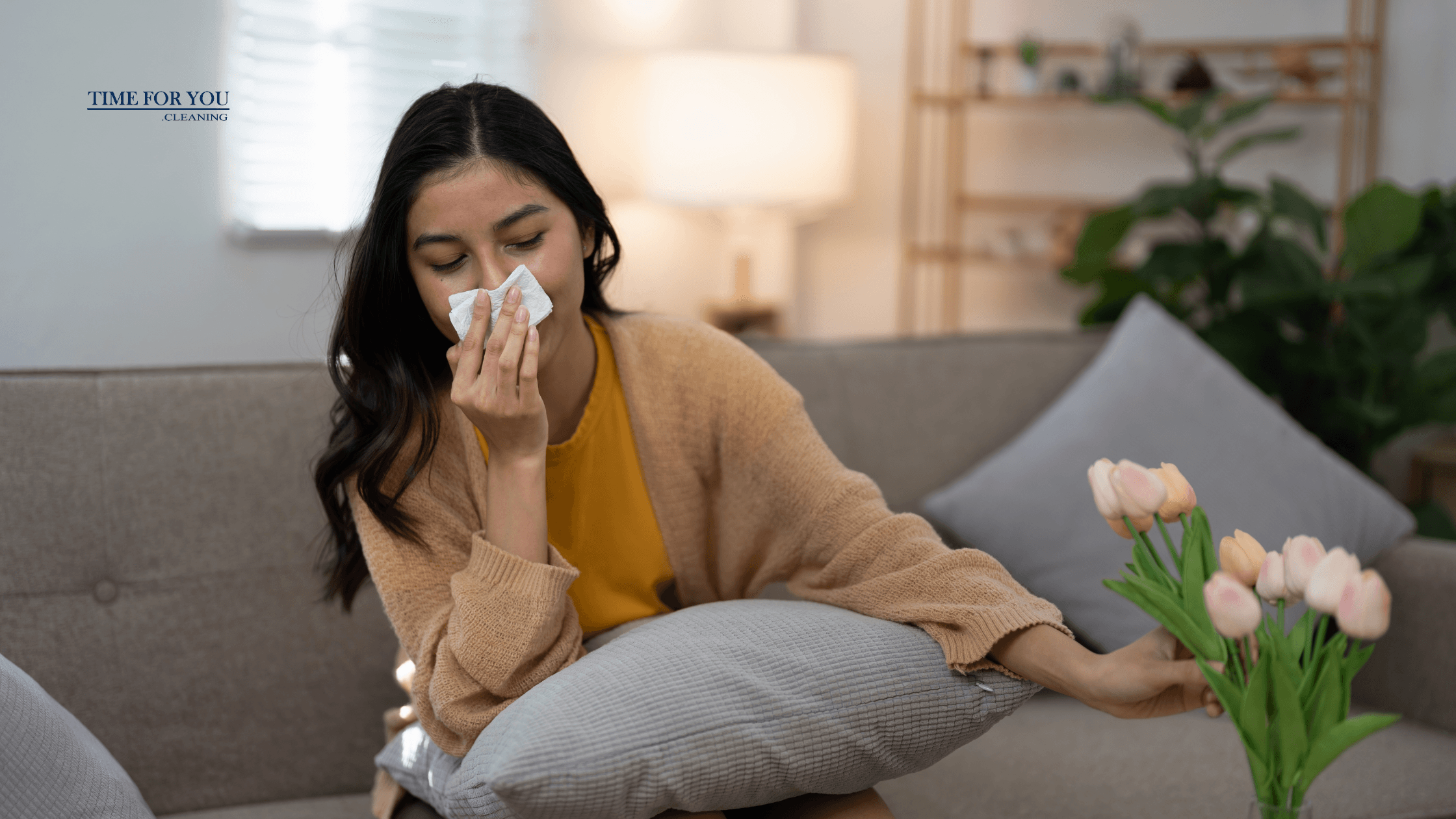
If you've found yourself sneezing more than usual lately, you're certainly not alone. Whether it's spring, summer or even early autumn, dust and pollen have a habit of finding their way into our homes. While you cannot completely stop allergens from getting inside, you can make a real difference with a few simple cleaning habits.
The good news is that reducing dust and pollen does not have to mean spending hours cleaning every day. A few smart changes to your routine can help keep your home feeling fresher, cleaner and much more comfortable, especially if anyone in your household suffers from allergies.
Why Do Dust and Pollen Build Up Indoors?
It is easy to assume that pollen stays outside, but every time you open a door or window, walk through the house in your shoes or even bring your pets inside, tiny pollen particles come with you. Once indoors, they settle onto furniture, carpets, curtains and bedding.
Dust is just as persistent. It is made up of dead skin cells, fibres, dirt, pet hair and other tiny particles that naturally build up over time. Without regular cleaning, dust continues to circulate around your home every time someone walks through a room or sits on the sofa.
The cleaner your home is, the fewer allergens are left to build up.
1. Vacuum Regularly
One of the most effective ways to reduce dust is simply by vacuuming often.
Carpets, rugs and upholstered furniture trap huge amounts of dust, pollen and pet hair. Leaving them too long between cleans allows allergens to build up.
For the best results:
- Vacuum at least twice a week during allergy season.
- Do not forget stairs, skirting boards and under furniture.
- Vacuum sofas, chairs and fabric headboards.
- Empty the vacuum regularly and replace filters when needed.
If you have pets or young children, you may find that vacuuming little and often makes a noticeable difference.
2. Dust the Right Way
Many people unknowingly spread dust around rather than remove it.
Instead of using a dry duster, use a slightly damp microfibre cloth. This traps dust instead of sending it back into the air.
Remember to dust:
- Shelves
- Window sills
- Picture frames
- Lamps
- TV units
- Skirting boards
- Door frames
Always dust from the highest surfaces down so any falling dust can be vacuumed afterwards.
3. Wash Bedding Every Week
Your bed can collect dust mites, skin cells and pollen surprisingly quickly.
Washing bedding every week helps remove allergens that build up while you sleep.
Don't forget to wash:
- Pillowcases
- Sheets
- Duvet covers
- Mattress protectors
If possible, wash at the highest temperature recommended on the care label.
4. Keep Floors Clear of Clutter
The more items sitting on the floor, the more places dust has to settle.
Keeping floors tidy makes vacuuming quicker and allows you to clean every corner properly.
Even small habits like putting shoes away or storing toys in baskets can make your cleaning routine much easier.
5. Leave Shoes at the Door
Your shoes bring in far more than mud.
Every trip outside can bring pollen, dirt, bacteria and dust straight into your home.
Leaving shoes by the front door is one of the easiest ways to stop allergens spreading through the house.
Many families even keep a basket of slippers near the entrance for guests.
6. Clean Curtains and Blinds
Curtains and blinds are often forgotten during regular cleaning, but they collect dust very quickly.
Every few weeks:
- Vacuum fabric curtains using the upholstery attachment.
- Wipe blinds with a damp microfibre cloth.
- Wash curtains according to their care instructions.
This simple job can noticeably reduce airborne dust.
7. Groom Pets Regularly
We all love our furry friends, but they are excellent at carrying pollen indoors.
Brushing pets outside where possible helps remove loose hair, dirt and pollen before they walk back through the house.
Regular washing of pet bedding also helps reduce allergens.
8. Change Your Cleaning Cloths Often
Using the same cloth around the whole house can simply move dust from one room to another.
Instead:
- Wash microfibre cloths regularly.
- Replace worn cloths.
- Use separate cloths for bathrooms and kitchens.
Fresh cleaning equipment means better cleaning results.
9. Keep Windows Closed During High Pollen Days
Fresh air is lovely, but during peak pollen season, open windows can quickly fill your home with allergens.
Instead, try opening windows early in the morning or later in the evening when pollen levels are often lower.
If you have already had the windows open, giving surfaces a quick wipe afterwards can help remove any pollen that has settled.
10. Don't Forget the Hidden Dust Traps
Some of the biggest dust collectors are the places we rarely think about.
Take a few minutes every now and then to clean:
- Behind radiators
- Under beds
- Ceiling fans
- Light fittings
- Behind televisions
- Air vents
These forgotten areas can hold surprising amounts of dust.
A Little Cleaning Goes a Long Way
You do not need a perfectly spotless home to reduce dust and pollen. Building a few simple habits into your weekly routine can make your home feel noticeably fresher and may even help ease allergy symptoms.
Of course, life gets busy, and finding time to stay on top of everything is not always easy. That is where having a regular cleaner can make all the difference.
At Time For You, our trusted local cleaners help keep homes clean, tidy and comfortable all year round, giving you more time to enjoy the things that matter most.
Looking for a Helping Hand?
If keeping on top of dusting, vacuuming and weekly cleaning feels like another job on your growing to do list, Time For You can help.
Our friendly local cleaners can take care of the regular household cleaning, helping your home stay fresh, welcoming and easier to manage throughout the year.